Fourth of July Sale is LIVE! Save 10% off - AND - up to $500 on Wheels & Tires

More Details

z

Search

    z
    z

    SAIL-9630823

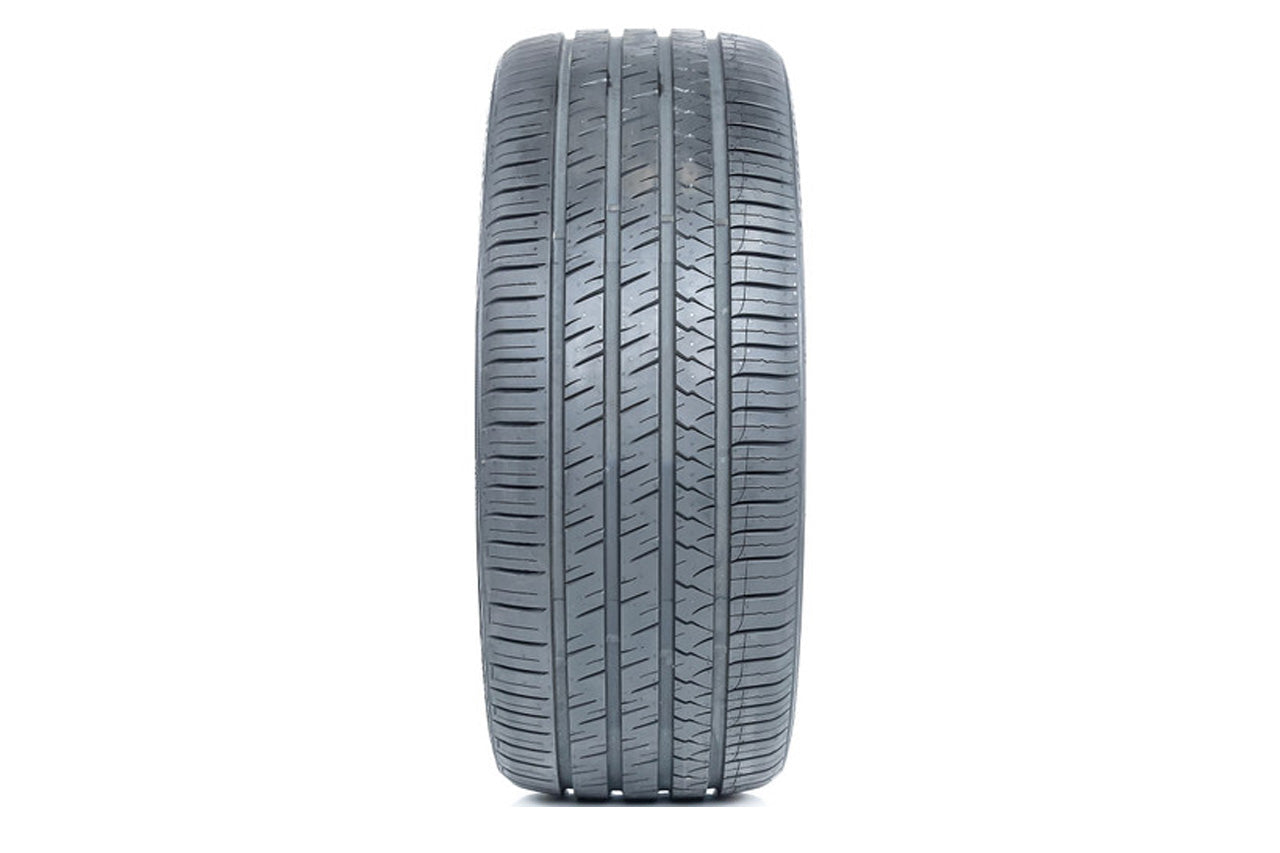
    Sailun Sailun ERange EV Ecosphere 265/45ZR20 108Y XL

    Title
    • Description

      Maximize Your EV's Potential with Sailun ERANGE EV Ecosphere Tires!

      Revolutionize your electric ride with Sailun ERANGE EV Ecosphere tires—engineered exclusively for EVs to conquer range anxiety head-on. Featuring innovative EcoPoint³ liquid phase mixing technology and SilentTread™ design, these all-season performers slash rolling resistance by up to 7%, boosting efficiency and extending your drive on every charge. Reinforced sidewalls handle heavy battery loads with crisp cornering, while the asymmetric tread delivers superior wet/dry grip and whisper-quiet comfort.

      • Fits: Tesla Model X T Sportline 20" Wheels
      • Size: 265/45ZR20
      • Style: Blackwall
      • Load Range: XL
      • Serv. Desc: 108Y
      • UTQG: 600 A A

      View Tire Manufacturer Rebates Here:


      • Shipping
      • FAQ

        Replacing stock tires on OEM Tesla wheels

        Stock Tesla Tire Replacement and Maintenance
        OEM Tesla tires are designed and manufactured to optimize performance, safety, reliability and durability. Naturally, due to normal usage and aging, tires degrade over time from the effects of ultraviolet light, extreme temperatures, loading and environmental exposure. T Sportline recommends replacing OEM Tesla tires exclusively with exact replacements. T Sportline Tesla factory replacement tire listings include, but are not limited to replacement OEM-spec Tesla factory tires.

        Recommended Tesla Tire Rotation
        T Sportline recommends rotating your tires every 6,250 miles or sooner if tread depth varies between any of the 4 tires by 2/32 in or greater. Aggressive driving or harsh environments can lead to premature tire wear and may require more frequent tire inspection. Unbalanced and misaligned wheels affect ride quality, vehicle handling, tire life and driveline component longevity. Tesla lug nuts are 21mm socket heads and must be torqued to 129 ft-lbs / 175 Nm

        Maintaining Proper Tire Pressures on Teslas
        T Sportline recommends keeping tires inflated to the pressures shown on the Tesla Tire and Loading Information label, even if it differs from the pressure printed on the tire itself. The Tire and Loading Information label is located midway up on the center door pillar and is visible when the driver’s door is open. T Sportline's recommended Tesla Tire inflator is HERE.
        Checking and Adjusting Tesla Tire Pressure

        When your Tesla has been stationary and out of direct sunlight for over three hours:

        • Remove the tire air valve stem cap (unscrew cap by hand).
        • Firmly press a tire pressure gauge onto the valve stem tip to measure pressure (a small amount of air will escape during measurement, which is normal).
        • Compare reading to Tesla Tire Pressure specification (found on the Tire and Loading Information label located midway up on the center door pillar, visible only when the driver’s door is open), add or remove air to match the recommended pressure. Reduce pressure by by pressing the metal pin in the center of the valve. Increase pressure using an appropriate tire inflator pump or compressed air source.
        • Re-check pressure using the tire pressure gauge.
        • Re-install the valve stem cap (hand tighten)
        • Important note: Under-inflation is the most common cause of tire failures and can cause a tire to overheat, resulting in severe tire cracking, tread separation, or blowout, which causes unexpected loss of car control and increased risk of injury. Under-inflation also reduces the car's range and tire tread life.
        • Tesla TPMS sensors require driving for a short period of time before updated pressure readings are recorded accurately. Expect TPMS readings to reflect accurate tire pressure readings after driving 5 miles.

        Factors impacting tire pressure readings:

        • Ambient temperature - Air pressure increases in heat and decreases in cold.
        • Tire temperature – Tires warm up during use.
        • Sunlight – directly sunlight will increase tire temperature and thereby tire pressure.